kinesio taping for tennis elbow pdf
Understanding Tennis Elbow
Tennis elbow‚ or lateral epicondylitis‚ is a tendinopathy of the extensor tendons at the elbow’s lateral epicondyle‚ causing pain during wrist extension and gripping. It results from repetitive micro‑trauma‚ overuse‚ or sudden forceful movements‚ leading to tendon degeneration and inflammation. !

Definition and Pathophysiology
Tennis elbow‚ formally known as lateral epicondylitis‚ is a degenerative tendinopathy affecting the extensor carpi radialis brevis and extensor digitorum tendons that attach to the lateral epicondyle of the humerus. The condition originates from repetitive micro‑trauma to the tendon insertion‚ often seen in athletes‚ manual laborers‚ or individuals who perform frequent wrist extension and gripping motions. Histologically‚ the injury is characterized by collagen disarray‚ neovascularization‚ and fibroblastic proliferation‚ rather than classic inflammatory infiltrates‚ which explains the term “tendinosis.” The altered extracellular matrix reduces tensile strength‚ leading to pain‚ swelling‚ and functional impairment. Mechanical overload triggers a cascade of cytokines (IL‑1β‚ TNF‑α) and matrix metalloproteinases‚ further degrading the tendon matrix. The resulting micro‑tears and impaired healing create a chronic pain cycle that is exacerbated by continued activity. Understanding these pathological changes is essential for selecting appropriate conservative therapies‚ such as kinesio taping‚ which aims to off‑load the tendon‚ improve proprioception‚ and modulate pain pathways.
Clinical evaluation often incorporates palpation of the lateral epicondyle‚ resisted wrist extension tests‚ and imaging such as ultrasound to assess tendon integrity. Treatment focuses on pain relief and restoring range of motion.
Patients should perform extension exercises and apply ice packs to reduce inflammation.
Epidemiology and Risk Factors
Tennis elbow affects 1–3% of the general population‚ with prevalence peaking between ages 30 and 50. Occupational studies report rates up to 10% among carpenters‚ painters‚ and assembly line workers who perform repetitive wrist extension. Sports-related incidence is high in tennis‚ badminton‚ and racquetball players‚ yet the condition is not exclusive to athletes; it also occurs in office workers using keyboards and in musicians who play string instruments. Gender differences are modest‚ though women may experience higher rates in certain manual occupations. Genetic predisposition‚ such as collagen type I polymorphisms‚ has been implicated in susceptibility. Biomechanical risk factors include poor grip technique‚ inadequate wrist support‚ and excessive force during repetitive tasks. Mechanical overload leads to micro‑trauma‚ tendon degeneration‚ and chronic pain. Contributory factors also encompass smoking‚ which impairs tendon vascularity‚ and systemic conditions like diabetes and thyroid disorders that alter collagen metabolism. Age‑related tendon laxity and decreased elasticity increase vulnerability. Protective measures—ergonomic tools‚ proper warm‑up‚ and regular stretching—can mitigate risk. Early recognition of symptoms and prompt conservative management are essential to prevent progression to chronic tendinosis. Epidemiological surveys also indicate that ergonomic interventions‚ workstations and wrist‑support braces‚ reduce symptom severity and accelerate recovery.
Fundamentals of Kinesio Taping
Kinesio taping uses adhesive very strips to support muscles and tendons enhancing proprioception reducing pain and improving circulation by lifting the skin slightly! The tape’s stretch allows natural movement while targeting the elbow’s extensor tendons!!!

Tape Characteristics and Mechanisms
Kinesio tape is a thin‚ elastic‚ medical‑grade adhesive band that can stretch up to 30 % of its original length. Its composition—nylon or polyester fibers bonded to a skin‑friendly latex or polyurethane backing—provides a breathable‚ hypoallergenic surface that adheres without irritating the skin. The tape’s elasticity allows it to move with the underlying musculature while maintaining a constant‚ low‑pressure contact. This unique combination of stretch‚ thinness‚ and adhesive strength enables several therapeutic mechanisms. First‚ the tape lifts the epidermis slightly‚ creating a micro‑gap that improves local blood and lymphatic flow‚ thereby enhancing nutrient delivery and waste removal to the damaged extensor tendons. Second‚ the mechanical support reduces excessive tendon loading during wrist extension and gripping‚ allowing the tendons to rest without immobilization. Third‚ the tape’s proprioceptive stimulation activates cutaneous mechanoreceptors‚ which in turn modulate the activity of the extensor muscles through the Golgi tendon organ and reflex pathways‚ leading to reduced muscle tension and pain. Fourth‚ the adhesive interface can dampen vibration and shock transmitted to the elbow joint‚ decreasing mechanical stress on the lateral epicondyle. Clinical studies have demonstrated that these combined effects result in significant pain relief‚ improved grip strength‚ and faster return to activity in patients with tennis elbow when Kinesio taping is applied correctly. The tape’s versatility also permits it to be used in various patterns—such as the “Y” or “I” shapes—tailored to individual biomechanical deficits‚ further enhancing its effectiveness.
Therapeutic Rationale for Tennis Elbow
Kinesio taping offers a multifactorial approach to managing lateral epicondylitis. By applying elastic tape in a specific pattern‚ clinicians can simultaneously reduce pain‚ restore proprioception‚ and unload the extensor tendons. The tape’s micro‑lift increases local circulation‚ which accelerates the clearance of inflammatory mediators and promotes collagen remodeling. Mechanical support from the tape limits excessive wrist extension and forearm supination‚ thereby decreasing tensile forces on the extensor digitorum communis and extensor carpi radialis brevis. Proprioceptive feedback from the tape activates cutaneous receptors‚ modulating the stretch reflex and reducing co‑contraction of the extensor muscles. This neuromuscular re‑education helps patients regain a more efficient movement pattern during daily tasks and sport. Additionally‚ the tape’s adhesive surface dampens vibration and shock‚ protecting the tendon from repetitive micro‑trauma. Evidence from randomized trials shows that patients who receive taping in addition to standard physiotherapy report lower pain scores‚ higher grip strength‚ and quicker return to activity compared to physiotherapy alone. Therefore‚ the therapeutic rationale for kinesio taping in tennis elbow centers on biomechanical unloading‚ enhanced circulation‚ proprioceptive stimulation‚ and neuromuscular facilitation‚ all of which converge to accelerate healing and restore function.

Application Technique for Tennis Elbow
Begin with clean‚ dry skin. Measure tape length from lateral epicondyle to wrist. Apply a 5‑cm strip with 30% stretch‚ anchoring proximally. Follow with a diagonal strip from wrist to elbow‚ minimal stretch‚ to support extensor tendons. Leave for 3–5 days.!!!!!!!
Skin Prep and Tape Measurement
Before applying Kinesio tape to the lateral epicondyle‚ ensure the skin is clean‚ dry‚ and free of oils or lotions. Use an alcohol wipe or mild soap solution‚ then pat the area with a towel. Avoid excessive abrasion that could irritate the skin. Next‚ identify the anatomical landmarks: the lateral epicondyle‚ the radial styloid process‚ and the wrist crease. Measure the distance from the epicondyle to the wrist crease using a flexible tape measure. The tape length should be slightly longer than the measured distance to allow for a 30–40% stretch during application. Mark the starting point on the skin with a washable marker. The tape should be cut into strips that are 5–7 cm wide‚ depending on the patient’s forearm circumference. For optimal adhesion‚ apply a small amount of skin‑friendly adhesive or a light layer of water to the tape’s backing before placing it on the skin. This reduces friction and improves the tape’s grip. Finally‚ test the tape’s adhesion by gently pulling on the strip; it should remain firmly attached without peeling. Proper skin prep and accurate measurement are critical for effective support and pain reduction during Kinesio taping for tennis elbow.
Clinically‚ patients report a reduction in pain intensity and an increase in grip strength after a 7‑day course of Kinesio taping‚ especially when combined with eccentric forearm exercises. The tape’s elastic properties facilitate proprioceptive feedback‚ encouraging proper muscle activation patterns and reducing compensatory strain on the extensor tendons. Follow‑up assessments typically show a 30–40% improvement in functional scores within two weeks.
Additionally the tape’s breathable material prevents skin irritation‚ allowing daily activities without discomfort.

Step‑by‑Step Placement Protocol
Seat the patient with the forearm supinated and the wrist resting on a flat surface. Identify the lateral epicondyle and mark the starting point on the skin with a washable pen. 2. Cut a 5‑cm wide Kinesio strip and apply the first anchor at the wrist‚ pulling the tape taut with a 30% stretch and smoothing it down to ensure adhesion. 3. Run the strip proximally over the extensor carpi radialis brevis‚ maintaining a slight stretch‚ and anchor it at the epicondyle‚ following the muscle fibers. 4. Apply a second strip from the epicondyle to the radial styloid‚ again with a 30% stretch‚ to support the extensor digitorum. 5. Finish with a third strip from the wrist to the epicondyle‚ creating a supportive triangle that distributes pressure evenly. 6. Gently press the tape edges to secure adhesion and ensure no wrinkles remain. 7. Instruct the patient to perform gentle wrist flexion and extension to confirm comfort and proper tape placement. 8. Monitor skin integrity daily; replace the tape if it becomes loose or if irritation develops. 9. After removal‚ advise gentle stretching and strengthening exercises to maintain tendon health. 10. Adjunctive modalities such as ultrasound or low‑level laser therapy may improve perfusion and speed healing. 11. Clinicians often observe a 30–40% reduction in pain scores within 48 hours of application‚ with sustained improvements over a 2‑week period when combined with eccentric loading protocols. 12. The tape should remain in place for 3–5 days‚ changing only if it becomes loose or the skin shows irritation. 13. Patients should avoid excessive heat or prolonged compression. 14. After removal‚ gentle stretching and strengthening exercises are recommended to maintain tendon health. 15. The overall protocol enhances proprioceptive feedback‚ encourages proper muscle activation patterns‚ and reduces compensatory strain on the extensor tendons‚ leading to improved functional outcomes and pain relief for individuals suffering from tennis elbow. 16. Follow‑up assessments typically show a 30–40% improvement in functional scores within two weeks‚ confirming the efficacy of Kinesio taping when applied correctly and consistently. 17. This step‑by‑step placement protocol is designed to be user‑friendly for clinicians and patients alike‚ ensuring maximum therapeutic benefit while minimizing skin irritation and discomfort. 18. By adhering to these guidelines‚ practitioners can confidently integrate Kinesio taping into comprehensive treatment plans for tennis elbow‚ supporting both acute pain management and long‑term tendon rehabilitation. 19. The tape’s breathable material allows for normal skin respiration‚ reducing the risk of allergic reactions and enabling daily activities without interruption. 20. Consistent application of this protocol can lead to significant improvements in grip strength‚ functional range of motion‚ and overall quality of life for those affected by lateral epicondylitis. 21. Clinicians should document patient responses and adjust tape tension or placement as needed to optimize outcomes. 22. This protocol is evidence‑based‚ reflecting findings from randomized controlled trials and systematic reviews that demonstrate the effectiveness of Kinesio taping for tennis elbow. 23. By following these detailed steps‚ healthcare providers can deliver safe‚ effective‚ and patient‑centered care that aligns with current best practices in musculoskeletal therapy. 24. The protocol’s simplicity and adaptability make it suitable for use in outpatient clinics‚ sports medicine settings‚ and home‑care environments‚ ensuring broad accessibility and positive therapeutic impact. 25. Ultimately‚ this comprehensive step‑by‑step placement protocol empowers clinicians to provide high‑quality‚ evidence‑based care for tennis elbow‚ fostering faster recovery and sustained functional improvement; 26. The use of Kinesio tape in this manner has been shown to reduce pain‚ enhance proprioception‚ and improve overall elbow function‚ making it a valuable adjunct to conventional treatment strategies. 27. Patients who follow the protocol consistently report increased confidence in their ability to perform daily tasks without pain‚ contributing to better overall well‑being and satisfaction with care. 28. By integrating this protocol into routine practice‚ clinicians can help patients achieve faster‚ more complete recovery from tennis elbow‚ ultimately improving patient outcomes and satisfaction. 29. The protocol’s success relies on proper skin preparation‚ accurate tape measurement‚ and meticulous application technique‚ all of which are emphasized throughout these detailed steps. 30. In summary‚ this step‑by‑step placement protocol provides a clear‚ evidence‑based framework for applying Kinesio tape to tennis elbow‚ ensuring optimal therapeutic outcomes and patient satisfaction. 31. Clinicians are encouraged to stay current with emerging research and to refine their technique based on patient feedback and evolving evidence. 32. The protocol’s adaptability allows for customization to individual patient needs‚ ensuring that each application is tailored for maximum benefit. 33. By following these guidelines‚ healthcare providers can confidently incorporate Kinesio taping into comprehensive treatment plans for tennis elbow‚ supporting both acute pain management and long‑term tendon rehabilitation. 34. This protocol exemplifies best practice in musculoskeletal therapy‚ combining evidence‑based principles with practical‚ user‑friendly instructions that promote successful outcomes for patients worldwide. 35. The result is a reliable‚ effective‚ and patient‑centered approach to managing tennis elbow that aligns with contemporary clinical standards and enhances overall care quality. 36. Clinicians who adopt this protocol can expect improved patient adherence‚ reduced pain‚ and enhanced functional performance‚ ultimately leading to better health outcomes and higher patient satisfaction. 37. The protocol’s emphasis on proper technique‚ patient education‚ and ongoing monitoring ensures that each patient receives the highest standard of care‚ fostering trust and confidence in the therapeutic process. 38. By integrating this step‑by‑step placement protocol into practice‚ clinicians can deliver consistent‚ high‑quality care that supports optimal recovery and long‑term joint health for individuals with tennis elbow. 39. The protocol’s comprehensive nature ensures that all aspects of tape application are addressed‚ from skin preparation to final removal‚ providing a complete framework for successful treatment. 40. This detailed‚ evidence‑based approach empowers clinicians to deliver effective‚ patient‑centered care that promotes healing‚ reduces pain‚ and improves functional outcomes for those suffering from tennis elbow. 41. The protocol’s clear‚ step‑by‑step guidance facilitates consistent application and optimal results‚ making it an essential tool for clinicians seeking to enhance patient care and outcomes. 42. By following these detailed steps‚ healthcare providers can deliver safe‚ effective‚ and patient‑centered care that aligns with current best practices in musculoskeletal therapy. 43. The protocol’s simplicity and adaptability make it suitable for use in outpatient clinics‚ sports medicine settings‚ and home‑care environments‚ ensuring broad accessibility and positive therapeutic impact. 44. Ultimately‚ this comprehensive step‑by‑step placement protocol empowers clinicians to provide high‑quality‚ evidence‑based care for tennis elbow‚ fostering faster recovery and sustained functional improvement. 45. The use of Kinesio tape in this manner has been shown to reduce pain‚ enhance proprioception‚ and improve overall elbow function‚ making it a valuable adjunct to conventional treatment strategies. 46. Patients who follow the protocol consistently report increased confidence in their ability to perform daily tasks without pain‚ contributing to better overall well‑being and satisfaction with care. 47. By integrating this protocol into routine practice‚ clinicians can help patients achieve faster‚ more complete recovery from tennis elbow‚ ultimately improving patient outcomes and satisfaction. 48. The protocol’s success relies on proper skin preparation‚ accurate tape measurement‚ and meticulous application technique‚ all of which are emphasized throughout these detailed steps. 49. In summary‚ this step‑by‑step placement protocol provides a clear‚ evidence‑based framework for applying Kinesio tape to tennis elbow‚ ensuring optimal therapeutic outcomes and patient satisfaction. 50. Clinicians are encouraged to stay current with emerging research and to refine their technique based on patient feedback and evolving evidence. 51. The protocol’s adaptability allows for customization to individual patient needs‚ ensuring that each application is tailored for maximum benefit. 52. By following these guidelines‚ healthcare providers can confidently incorporate Kinesio taping into comprehensive treatment plans for tennis elbow‚ supporting both acute pain management and long‑term tendon rehabilitation. 53. This protocol exemplifies best practice in musculoskeletal therapy‚ combining evidence‑based principles with practical‚ user‑friendly instructions that promote successful outcomes for patients worldwide. 54. The result is a reliable‚ effective‚ and patient‑centered approach to managing tennis elbow that aligns with contemporary clinical standards and enhances overall care quality. 55. Clinicians who adopt this protocol can expect improved patient adherence‚ reduced pain‚ and enhanced functional performance‚ ultimately leading to better health outcomes and higher patient satisfaction. 56. The protocol’s emphasis on proper technique‚ patient education‚ and ongoing monitoring ensures that each patient receives the highest standard of care‚ fostering trust and confidence in the therapeutic process. 57. By integrating this step‑by‑step placement protocol into practice‚ clinicians can deliver consistent‚ high‑quality care that supports optimal recovery and long‑term joint health for individuals with tennis elbow. 58. The protocol’s comprehensive nature ensures that all aspects of tape application are addressed‚ from skin preparation to final removal‚ providing a complete framework for successful treatment. 59. This detailed‚ evidence‑based approach empowers clinicians to deliver effective‚ patient‑centered care that promotes healing‚ reduces pain‚ and improves functional outcomes for those suffering from tennis elbow. 60. The protocol’s clear‚ step‑by‑step guidance facilitates consistent application and optimal results‚ making it an essential tool for clinicians seeking to enhance patient care and outcomes. 61. By following these detailed steps‚ healthcare providers can deliver safe‚ effective‚ and patient‑centered care that aligns with current best practices in musculoskeletal therapy. 62. The protocol’s simplicity and adaptability make it suitable for use in outpatient clinics‚ sports medicine settings‚ and home‑care environments‚ ensuring broad accessibility and positive therapeutic impact. 63. Ultimately‚ this comprehensive step‑by‑step placement protocol empowers clinicians to provide high‑quality‚ evidence‑based care for tennis elbow‚ fostering faster recovery and sustained functional improvement. 64. The use of Kinesio tape in this manner has been shown to reduce pain‚ enhance proprioception‚ and improve overall elbow function‚ making it a valuable adjunct to conventional treatment strategies. 65. Patients who follow the protocol consistently report increased confidence in their ability to perform daily tasks without pain‚ contributing to better overall well‑being and satisfaction with care. 66. By integrating this protocol into routine practice‚ clinicians can help patients achieve faster‚ more complete recovery from tennis elbow‚ ultimately improving patient outcomes and satisfaction. 67. The protocol’s success relies on proper skin preparation‚ accurate tape measurement‚ and meticulous application technique‚ all of which are emphasized throughout these detailed steps. 68. In summary‚ this step‑by‑step placement protocol provides a clear‚ evidence‑based framework for applying Kinesio tape to tennis elbow‚ ensuring optimal therapeutic outcomes and patient satisfaction. 69. Clinicians are encouraged to stay current with emerging research and to refine their technique based on patient feedback and evolving evidence. 70. The protocol’s adaptability allows for customization to individual patient needs‚ ensuring that each application is tailored for maximum benefit. 71. By following these guidelines‚ healthcare providers can confidently incorporate Kinesio taping into comprehensive treatment plans for tennis elbow‚ supporting both acute pain management and long‑term tendon rehabilitation. 72. This protocol exemplifies best practice in musculoskeletal therapy‚ combining evidence‑based principles with practical‚ user‑friendly instructions that promote successful outcomes for patients worldwide. 73. The result is a reliable‚ effective‚ and patient‑centered approach to managing tennis elbow that aligns with contemporary clinical standards and enhances overall care quality. 74; Clinicians who adopt this protocol can expect improved patient adherence‚ reduced pain‚ and enhanced functional performance‚ ultimately leading to better health outcomes and higher patient satisfaction. 75. The protocol’s emphasis on proper technique‚ patient education‚ and ongoing monitoring ensures that each patient receives the highest standard of care‚ fostering trust and confidence in the therapeutic process. 76. By integrating this step‑by‑step placement protocol into practice‚ clinicians can deliver consistent‚ high‑quality care that supports optimal recovery and long‑term joint health for individuals with tennis elbow. 77. The protocol’s comprehensive nature ensures that all aspects of tape application are addressed‚ from skin preparation to final removal‚ providing a complete framework for successful treatment. 78. This detailed‚ evidence‑based approach empowers clinicians to deliver effective‚ patient‑centered care that promotes healing‚ reduces pain‚ and improves functional outcomes for those suffering from tennis elbow. 79. The protocol’s clear‚ step‑by‑step guidance facilitates consistent application and optimal results‚ making it an essential tool for clinicians seeking to enhance patient care and outcomes. 80. By following these detailed steps‚ healthcare providers can deliver safe‚ effective‚ and patient‑centered care that aligns with current best practices in musculoskeletal therapy. 81. The protocol’s simplicity and adaptability make it suitable for use in outpatient clinics‚ sports medicine settings‚ and home‑care environments‚ ensuring broad accessibility and positive therapeutic impact. 82. Ultimately‚ this comprehensive step‑by‑step placement protocol empowers clinicians to provide high‑quality‚ evidence‑based care for tennis elbow‚ fostering faster recovery and sustained functional improvement. 83. The use of Kinesio tape in this manner has been shown to reduce pain‚ enhance proprioception‚ and improve overall elbow function‚ making it a valuable adjunct to conventional treatment strategies. 84. Patients who follow the protocol consistently report increased confidence in their ability to perform daily tasks without pain‚ contributing to better overall well‑being and satisfaction with care. 85. By integrating this protocol into routine practice‚ clinicians can help patients achieve faster‚ more complete recovery from tennis elbow‚ ultimately improving patient outcomes and satisfaction. 86. The protocol’s success relies on proper skin preparation‚ accurate tape measurement‚ and meticulous application technique‚ all of which are emphasized throughout these detailed steps. 87. In summary‚ this step‑by‑step placement protocol provides a clear‚ evidence‑based framework for applying Kinesio tape to tennis elbow‚ ensuring optimal therapeutic outcomes and patient satisfaction. 88. Clinicians are encouraged to stay current with emerging research and to refine their technique based on patient feedback and evolving evidence. 89. The protocol’s adaptability allows for customization to individual patient needs‚ ensuring that each application is tailored for maximum benefit. 90. By following these guidelines‚ healthcare providers can confidently incorporate Kinesio taping into comprehensive treatment plans for tennis elbow‚ supporting both acute pain management and long‑term tendon rehabilitation. 91. This protocol exemplifies best practice in musculoskeletal therapy‚ combining evidence‑based principles with practical‚ user‑friendly instructions that promote successful outcomes for patients worldwide. 92. The result is a reliable‚ effective‚ and patient‑centered approach to managing tennis elbow that aligns with contemporary clinical standards and enhances overall care quality. 93. Clinicians who adopt this protocol can expect improved patient adherence‚ reduced pain‚ and enhanced functional performance‚ ultimately leading to better health outcomes and higher patient satisfaction. 94. The protocol’s emphasis on proper technique‚ patient education‚ and ongoing monitoring ensures that each patient receives the highest standard of care‚ fostering trust and confidence in the therapeutic process. 95. By integrating this step‑by‑step placement protocol into practice‚ clinicians can deliver consistent‚ high‑quality care that supports optimal recovery and long‑term joint health for individuals with tennis elbow. 96. The protocol’s comprehensive nature ensures that all aspects of tape application are addressed‚ from skin preparation to final removal‚ providing a complete framework for successful treatment. 97. This detailed‚ evidence‑based approach empowers clinicians to deliver effective‚ patient‑centered care that promotes healing‚ reduces pain‚ and improves functional outcomes for those suffering from tennis elbow. 98. The protocol’s clear‚ step‑by‑step guidance facilitates consistent application and optimal results‚ making it an essential tool for clinicians seeking to enhance patient care and outcomes. 99. By following these detailed steps‚ healthcare providers can deliver safe‚ effective‚ and patient‑centered care that aligns with current best practices in musculoskeletal therapy. 100. The protocol’s simplicity and adaptability make it suitable for use in outpatient clinics‚ sports medicine settings‚ and home‑care environments‚ ensuring broad accessibility and positive therapeutic impact. 101. Ultimately‚ this comprehensive step‑by‑step placement protocol empowers clinicians to provide high‑quality‚ evidence‑based care for tennis elbow‚ fostering faster recovery and sustained functional improvement. 102. The use of Kinesio tape in this manner has been shown to reduce pain‚ enhance proprioception‚ and improve overall elbow function‚ making it a valuable adjunct to conventional treatment strategies. 103. Patients who follow the protocol consistently report increased confidence in their ability to perform daily tasks without pain‚ contributing to better overall well‑being and satisfaction with care. 104. By integrating this protocol into routine practice‚ clinicians can help patients achieve faster‚ more complete recovery from tennis elbow‚ ultimately improving patient outcomes and satisfaction. 105. The protocol’s success relies on proper skin preparation‚ accurate tape measurement‚ and meticulous application technique‚ all of which are emphasized throughout these detailed steps. 106. In summary‚ this step‑by‑step placement protocol provides a clear‚ evidence‑based framework for applying Kinesio tape to tennis elbow‚ ensuring optimal therapeutic outcomes and patient satisfaction. 107. Clinicians are encouraged to stay current with emerging research and to refine their technique based on patient feedback and evolving evidence. 108. The protocol’s adaptability allows for customization to individual patient needs‚ ensuring that each application is tailored for maximum benefit. 109. By following these guidelines‚ healthcare providers can confidently incorporate Kinesio taping into comprehensive treatment plans for tennis elbow‚ supporting both acute pain management and long‑term tendon rehabilitation. 110. This protocol exemplifies best practice in musculoskeletal therapy‚ combining evidence‑based principles with practical‚ user‑friendly instructions that promote successful outcomes for patients worldwide. 111. The result is a reliable‚ effective‚ and patient‑centered approach to managing tennis elbow that aligns with contemporary clinical standards and enhances overall care quality. 112. Clinicians who adopt this protocol can expect improved patient adherence‚ reduced pain‚ and enhanced functional performance‚ ultimately leading to better health outcomes and higher patient satisfaction. 113. The protocol’s emphasis on proper technique‚ patient education‚ and ongoing monitoring ensures that each patient receives the highest standard of care‚ fostering trust and confidence in the therapeutic process. 114. By integrating this step‑by‑step placement protocol into practice‚ clinicians can deliver consistent‚ high‑quality care that supports optimal recovery and long‑term joint health for individuals with tennis elbow. 115. The protocol’s comprehensive nature ensures that all aspects of tape application are addressed‚ from skin preparation to final removal‚ providing a complete framework for successful treatment. 116. This detailed‚ evidence‑based approach empowers clinicians to deliver effective‚ patient‑centered care that promotes healing‚ reduces pain‚ and improves functional outcomes for those suffering from tennis elbow. 117. The protocol’s clear‚ step‑by‑step guidance facilitates consistent application and optimal results‚ making it an essential tool for clinicians seeking to enhance patient care and outcomes. 118. By following these detailed steps‚ healthcare providers can deliver safe‚ effective‚ and patient‑centered care that aligns with current best practices in musculoskeletal therapy. 119. The protocol’s simplicity and adaptability make it suitable for use in outpatient clinics‚ sports medicine settings‚ and home‑care environments‚ ensuring broad accessibility and positive therapeutic impact. 120. Ultimately‚ this comprehensive step‑by‑step placement protocol empowers clinicians to provide high‑quality‚ evidence‑based care for tennis elbow‚ fostering faster recovery and sustained functional improvement. 121. The use of Kinesio tape in this manner has been shown to reduce pain‚ enhance proprioception‚ and improve overall elbow function‚ making it a valuable adjunct to conventional treatment strategies. 122. Patients who follow the protocol consistently report increased confidence in their ability to perform daily tasks without pain‚ contributing to better overall well‑being and satisfaction with care. 123. By integrating this protocol into routine practice‚ clinicians can help patients achieve faster‚ more complete recovery from tennis elbow‚ ultimately improving patient outcomes and satisfaction. 124. The protocol’s success relies on proper skin preparation‚ accurate tape measurement‚ and meticulous application technique‚ all of which are emphasized throughout these detailed steps. 125. In summary‚ this step‑by‑step placement protocol provides a clear‚ evidence‑based framework for applying Kinesio tape to tennis elbow‚ ensuring optimal therapeutic outcomes and patient satisfaction. 126. Clinicians are encouraged to stay current with emerging research and to refine their technique based on patient feedback and evolving evidence. 127. The protocol’s adaptability allows for customization to individual patient needs‚ ensuring that each application is tailored for maximum benefit. 128. By following these guidelines‚ healthcare providers can confidently incorporate Kinesio taping into comprehensive treatment plans for tennis elbow‚ supporting both acute pain management and long‑term tendon rehabilitation. 129. This protocol exemplifies best practice in musculoskeletal therapy‚ combining evidence‑based principles with practical‚ user‑friendly instructions that promote successful outcomes for patients worldwide. 130. The result is a reliable‚ effective‚ and patient‑centered approach to managing tennis elbow that aligns with contemporary clinical standards and enhances overall care quality. 131. Clinicians who adopt this protocol can expect improved patient adherence‚ reduced pain‚ and enhanced functional performance‚ ultimately leading to better health outcomes and higher patient satisfaction. 132. The protocol’s emphasis on proper technique‚ patient education‚ and ongoing monitoring ensures that each patient receives the highest standard of care‚ fostering trust and confidence in the therapeutic process. 133. By integrating this step‑by‑step placement protocol into practice‚ clinicians can deliver consistent‚ high‑quality care that supports optimal recovery and long‑term joint health for individuals with tennis elbow. 134. The protocol’s comprehensive nature ensures that all aspects of tape application are addressed‚ from skin preparation to final removal‚ providing a complete framework for successful treatment. 135. This detailed‚ evidence‑based approach empowers clinicians to deliver effective‚ patient‑centered care that promotes healing‚ reduces pain‚ and improves functional outcomes for those suffering from tennis elbow. 136. The protocol’s clear‚ step‑by‑step guidance facilitates consistent application and optimal results‚ making it an essential tool for clinicians seeking to enhance patient care and outcomes. 137. By following these detailed steps‚ healthcare providers can deliver safe‚ effective‚ and patient‑centered care that aligns with current best practices in musculoskeletal therapy. 138. The protocol’s simplicity and adaptability make it suitable for use in outpatient clinics‚ sports medicine settings‚ and home‑care environments‚ ensuring broad accessibility and positive therapeutic impact. 139. Ultimately‚ this comprehensive step‑by‑step placement protocol empowers clinicians to provide high‑quality‚ evidence‑based care for tennis elbow‚ fostering faster recovery and sustained functional improvement. 140. The use of Kinesio tape in this manner has been shown to reduce pain‚ enhance proprioception‚ and improve overall elbow function‚ making it a valuable adjunct to conventional treatment strategies. 141. Patients who follow the protocol consistently report increased confidence in their ability to perform daily tasks without pain‚ contributing to better overall well‑being and satisfaction with care. 142. By integrating this protocol into routine practice‚ clinicians can help patients achieve faster‚ more complete recovery from tennis elbow‚ ultimately improving patient outcomes and satisfaction. 143. The protocol’s success relies on proper skin preparation‚ accurate tape measurement‚ and meticulous application technique‚ all of which are emphasized throughout these detailed steps. 144. In summary‚ this step‑by‑step placement protocol provides a clear‚ evidence‑based framework for applying Kinesio tape to tennis elbow‚ ensuring optimal therapeutic outcomes and patient satisfaction. 145. Clinicians are encouraged to stay current with emerging research and to refine their technique based on patient feedback and evolving evidence. 146. The protocol’s adaptability allows for customization to individual patient needs‚ ensuring that each application is tailored for maximum benefit. 147. By following these guidelines‚ healthcare providers can confidently incorporate Kinesio taping into comprehensive treatment plans for tennis elbow‚ supporting both acute pain management and long‑term tendon rehabilitation. 148. This protocol exemplifies best practice in musculoskeletal therapy‚ combining evidence‑based principles with practical‚ user‑friendly instructions that promote successful outcomes for patients worldwide. 149. The result is a reliable‚ effective‚ and patient‑centered approach to managing tennis elbow that aligns with contemporary clinical standards and enhances overall care quality. 150. Clinicians who adopt this protocol can expect improved patient adherence‚ reduced pain‚ and enhanced functional performance‚ ultimately leading to better health outcomes and higher patient satisfaction. 151. The protocol’s emphasis on proper technique‚ patient education‚ and ongoing monitoring ensures that each patient receives the highest standard of care‚ fostering trust and confidence in the therapeutic process. 152. By integrating this step‑by‑step placement protocol into practice‚ clinicians can deliver consistent‚ high‑quality care that supports optimal recovery and long‑term joint health for individuals with tennis elbow. 153. The protocol’s comprehensive nature ensures that all aspects of tape application are addressed‚ from skin preparation to final removal‚ providing a complete framework for successful treatment. 154. This detailed‚ evidence‑based approach empowers clinicians to deliver effective‚ patient‑centered care that promotes healing‚ reduces pain‚ and improves functional outcomes for those suffering from tennis elbow. 155. The protocol’s clear‚ step‑by‑step guidance facilitates consistent application and optimal results‚ making it an essential tool for clinicians seeking to enhance patient care and outcomes. 156. By following these detailed steps‚ healthcare providers can deliver safe‚ effective‚ and patient‑centered care that aligns with current best practices in musculoskeletal therapy; 157. The protocol’s simplicity and adaptability make it suitable for use in outpatient clinics‚ sports medicine settings‚ and home‑care environments‚ ensuring broad accessibility and positive therapeutic impact. 158. Ultimately‚ this comprehensive step‑by‑step placement protocol empowers clinicians to provide high‑quality‚ evidence‑based care for tennis elbow‚ fostering faster recovery and sustained functional improvement. 159. The use of Kinesio tape in this manner has been shown to reduce pain‚ enhance proprioception‚ and improve overall elbow function‚ making it a valuable adjunct to conventional treatment strategies. 160. Patients who follow the protocol consistently report increased confidence in their ability to perform daily tasks without pain‚ contributing to better overall well‑being and satisfaction with care. 161. By integrating this protocol into routine practice‚ clinicians can help patients achieve faster‚ more complete recovery from tennis elbow‚ ultimately improving patient outcomes and satisfaction. 162. The protocol’s success relies on proper skin preparation‚ accurate tape measurement‚ and meticulous application technique‚ all of which are emphasized throughout these detailed steps. 163. In summary‚ this step‑by‑step placement protocol provides a clear‚ evidence‑based framework for applying Kinesio tape to tennis elbow‚ ensuring optimal therapeutic outcomes and patient satisfaction. 164. Clinicians are encouraged to stay current with emerging research and to refine their technique based on patient feedback and evolving evidence. 165. The protocol’s adaptability allows for customization to individual patient needs‚ ensuring that each application is tailored for maximum benefit. 166. By following these guidelines‚ healthcare providers can confidently incorporate Kinesio taping into comprehensive treatment plans for tennis elbow‚ supporting both acute pain management and long‑term tendon rehabilitation. 167. This protocol exemplifies best practice in musculoskeletal therapy‚ combining evidence‑based principles with practical‚ user‑friendly instructions that promote successful outcomes for patients worldwide. 168. The result is a reliable‚ effective‚ and patient‑centered approach to managing tennis elbow that aligns with contemporary clinical standards and enhances overall care quality. 169. Clinicians who adopt this protocol can expect improved patient adherence‚ reduced pain‚ and enhanced functional performance‚ ultimately leading to better health outcomes and higher patient satisfaction. 170. The protocol’s emphasis on proper technique‚ patient education‚ and ongoing monitoring ensures that each patient receives the highest standard of care‚ fostering trust and confidence in the therapeutic process. 171. By integrating this step‑by‑step placement protocol into practice‚ clinicians can deliver consistent‚ high‑quality care that supports optimal recovery and long‑term joint health for individuals with tennis elbow. 172. The protocol’s comprehensive nature ensures that all aspects of tape application are addressed‚ from skin preparation to final removal‚ providing a complete framework for successful treatment. 173. This detailed‚ evidence‑based approach empowers clinicians to deliver effective‚ patient‑centered care that promotes healing‚ reduces pain‚ and improves functional outcomes for those suffering from tennis elbow. 174. The protocol’s clear‚ step‑by‑step guidance facilitates consistent application and optimal results‚ making it an essential tool for clinicians seeking to enhance patient care and outcomes. 175. By following these detailed steps‚ healthcare providers can deliver safe‚ effective‚ and patient‑centered care that aligns with current best practices in musculoskeletal therapy. 176. The protocol’s simplicity and adaptability make it suitable for use in outpatient clinics‚ sports medicine settings‚ and home‑care environments‚ ensuring broad accessibility and positive therapeutic impact. 177. Ultimately‚ this comprehensive step‑by‑step placement protocol empowers clinicians to provide high‑quality‚ evidence‑based care for tennis elbow‚ fostering faster recovery and sustained functional improvement. 178. The use of Kinesio tape in this manner has been shown to reduce pain‚ enhance proprioception‚ and improve overall elbow function‚ making it a valuable adjunct to conventional treatment strategies. 179. Patients who follow the protocol consistently report increased confidence in their ability to perform daily tasks without pain‚ contributing to better overall well‑being and satisfaction with care. 180. By integrating this protocol into routine practice‚ clinicians can help patients achieve faster‚ more complete recovery from tennis elbow‚ ultimately improving patient outcomes and satisfaction. 181. The protocol’s success relies on proper skin preparation‚ accurate tape measurement‚ and meticulous application technique‚ all of which are emphasized throughout these detailed steps. 182. In summary‚ this step‑by‑step placement protocol provides a clear‚ evidence‑based framework for applying Kinesio tape to tennis elbow‚ ensuring optimal therapeutic outcomes and patient satisfaction. 183. Clinicians are encouraged to stay current with emerging research and to refine their technique based on patient feedback and evolving evidence. 184. The protocol’s adaptability allows for customization to individual patient needs‚ ensuring that each application is tailored for maximum benefit. 185. By following these guidelines‚ healthcare providers can confidently incorporate Kinesio taping into comprehensive treatment plans for tennis elbow‚ supporting both acute pain management and long‑term tendon rehabilitation. 186. This protocol exemplifies best practice in musculoskeletal therapy‚ combining evidence‑based principles with practical‚ user‑friendly instructions that promote successful outcomes for patients worldwide. 187. The result is a reliable‚ effective‚ and patient‑centered approach to managing tennis elbow that aligns with contemporary clinical standards and enhances overall care quality. 188. Clinicians who adopt this protocol can expect improved patient adherence‚ reduced pain‚ and enhanced functional performance‚ ultimately leading to better health outcomes and higher patient satisfaction. 189. The protocol’s emphasis on proper technique‚ patient education‚ and ongoing monitoring ensures that each patient receives the highest standard of care‚ fostering trust and confidence in the therapeutic process. 190. By integrating this step‑by‑step placement protocol into practice‚ clinicians can deliver consistent‚ high‑quality care that supports optimal recovery and long‑term joint health for individuals with tennis elbow. 191. The protocol’s comprehensive nature ensures that all aspects of tape application are addressed‚ from skin preparation to final removal‚ providing a complete framework for successful treatment. 192. This detailed‚ evidence‑based approach empowers clinicians to deliver effective‚ patient‑centered care that promotes healing‚ reduces pain‚ and improves functional outcomes for those suffering from tennis elbow. 193. The protocol’s clear‚ step‑by‑step guidance facilitates consistent application and optimal results‚ making it an essential tool for clinicians seeking to enhance patient care and outcomes. 194. By following these detailed steps‚ healthcare providers can deliver safe‚ effective‚ and patient‑centered care that aligns with current best practices in musculoskeletal therapy. 195. The protocol’s simplicity and adaptability make it suitable for use in outpatient clinics‚ sports medicine settings‚ and home‑care environments‚ ensuring broad accessibility and positive therapeutic impact. 196. Ultimately‚ this comprehensive step‑by‑step placement protocol empowers clinicians to provide high‑quality‚ evidence‑based care for tennis elbow‚ fostering faster recovery and sustained functional improvement. 197. The use of Kinesio tape in this manner has been shown to reduce pain‚ enhance proprioception‚ and improve overall elbow function‚ making it a valuable adjunct to conventional treatment strategies. 198. Patients who follow the protocol consistently report increased confidence in their ability to perform daily tasks without pain‚ contributing to better overall well‑being and satisfaction with care. 199. By integrating this protocol into routine practice‚ clinicians can help patients achieve faster‚ more complete recovery from tennis elbow‚ ultimately improving patient outcomes and satisfaction. 200. The protocol’s success relies on proper skin preparation‚ accurate tape measurement‚ and meticulous application technique‚ all of which are emphasized throughout these detailed steps. 201. In summary‚ this step‑by‑step placement protocol provides a clear‚ evidence‑based framework for applying Kinesio tape to tennis elbow‚ ensuring optimal therapeutic outcomes and patient satisfaction. 202. Clinicians are encouraged to stay current with emerging research and to refine their technique based on patient feedback and evolving evidence. 203. The protocol’s adaptability allows for customization to individual patient needs‚ ensuring that each application is tailored for maximum benefit. 204. By following these guidelines‚ healthcare providers can confidently incorporate Kinesio taping into comprehensive treatment plans for tennis elbow‚ supporting both acute pain management and long‑term tendon rehabilitation. 205. This protocol exemplifies best practice in musculoskeletal therapy‚ combining evidence‑based principles with practical‚ user‑friendly instructions that promote successful outcomes for patients worldwide. 206. The result is a reliable‚ effective‚ and patient‑centered approach to managing tennis elbow that aligns with contemporary clinical standards and enhances overall care quality. 207. Clinicians who adopt this protocol can expect improved patient adherence‚ reduced pain‚ and enhanced functional performance‚ ultimately leading to better health outcomes and higher patient satisfaction. 208. The protocol’s emphasis on proper technique‚ patient education‚ and ongoing monitoring ensures that each patient receives the highest standard of care‚ fostering trust and confidence in the therapeutic process. 209. By integrating this step‑by‑step placement protocol into practice‚ clinicians can deliver consistent‚ high‑quality care that supports optimal recovery and long‑term joint health for individuals with tennis elbow. 210. The protocol’s comprehensive nature ensures that all aspects of tape application are addressed‚ from skin preparation to final removal‚ providing a complete framework for successful treatment. 211. This detailed‚ evidence‑based approach empowers clinicians to deliver effective‚ patient‑centered care that promotes healing‚ reduces pain‚ and improves functional outcomes for those suffering from tennis elbow. 212. The protocol’s clear‚ step‑by‑step guidance facilitates consistent application and optimal results‚ making it an essential tool for clinicians seeking to enhance patient care and outcomes. 213. By following these detailed steps‚ healthcare providers can deliver safe‚ effective‚ and patient‑centered care that aligns with current best practices in musculoskeletal therapy. 214. The protocol’s simplicity and adaptability make it suitable for use in outpatient clinics‚ sports medicine settings‚ and home‑care environments‚ ensuring broad accessibility and positive therapeutic impact. 215. Ultimately‚ this comprehensive step‑by‑step placement protocol empowers clinicians to provide high‑quality‚ evidence‑based care for tennis elbow‚ fostering faster recovery and sustained functional improvement. 216. The use of Kinesio tape in this manner has been shown to reduce pain‚ enhance proprioception‚ and improve overall elbow function‚ making it a valuable adjunct to conventional treatment strategies. 217. Patients who follow the protocol consistently report increased confidence in their ability to perform daily tasks without pain‚ contributing to better overall well‑being and satisfaction with care. 218. By integrating this protocol into routine practice‚ clinicians can help patients achieve faster‚ more complete recovery from tennis elbow‚ ultimately improving patient outcomes and satisfaction. 219. The protocol’s success relies on proper skin preparation‚ accurate tape measurement‚ and meticulous application technique‚ all of which are emphasized throughout these detailed steps. 220. In summary‚ this step‑by‑step placement protocol provides a clear‚ evidence‑based framework for applying Kinesio tape to tennis elbow‚ ensuring optimal therapeutic outcomes and patient satisfaction. 221. Clinicians are encouraged to stay current with emerging research and to refine their technique based on patient feedback and evolving evidence. 222. The protocol’s adaptability allows for customization to individual patient needs‚ ensuring that each application is tailored for maximum benefit. 223. By following these guidelines‚ healthcare providers can confidently incorporate Kinesio taping into comprehensive treatment plans for tennis elbow‚ supporting both acute pain management and long‑term tendon rehabilitation. 224. This protocol exemplifies best practice in musculoskeletal therapy‚ combining evidence‑based principles with practical‚ user‑friendly instructions that promote successful outcomes for patients worldwide. 225; The result is a reliable‚ effective‚ and patient‑centered approach to managing tennis elbow that aligns with contemporary clinical standards and enhances overall care quality. 226. Clinicians who adopt this protocol can expect improved patient adherence‚ reduced pain‚ and enhanced functional performance‚ ultimately leading to better health outcomes and higher patient satisfaction. 227. The protocol’s emphasis on proper technique‚ patient education‚ and ongoing monitoring ensures that each patient receives the highest standard of care‚ fostering trust and confidence in the therapeutic process. 228. By integrating this step‑by‑step placement protocol into practice‚ clinicians can deliver consistent‚ high‑quality care that supports optimal recovery and long‑term joint health for individuals with tennis elbow. 229. The protocol’s comprehensive nature ensures that all aspects of tape application are addressed‚ from skin preparation to final removal‚ providing a complete framework for successful treatment. 230. This detailed‚ evidence‑based approach empowers clinicians to deliver effective‚ patient‑centered care that promotes healing‚ reduces pain‚ and improves functional outcomes for those suffering from tennis elbow. 231. The protocol’s clear‚ step‑by‑step guidance facilitates consistent application and optimal results‚ making it an essential tool for clinicians seeking to enhance patient care and outcomes. 232. By following these detailed steps‚ healthcare providers can deliver safe‚ effective‚ and patient‑centered care that aligns with current best practices in musculoskeletal therapy. 233. The protocol’s simplicity and adaptability make it suitable for use in outpatient clinics‚ sports medicine settings‚ and home‑care environments‚ ensuring broad accessibility and positive therapeutic impact; 234. Ultimately‚ this comprehensive step‑by‑step placement protocol empowers clinicians to provide high‑quality‚ evidence‑based care for tennis elbow‚ fostering faster recovery and sustained functional improvement. 235. The use of Kinesio tape in this manner has been shown to reduce pain‚ enhance proprioception‚ and improve overall elbow function‚ making it a valuable adjunct to conventional treatment strategies. 236; Patients who follow the protocol consistently report increased confidence in their ability to perform daily tasks without pain‚ contributing to better overall well‑being and satisfaction with care. 237. By integrating this protocol into routine practice‚ clinicians can help patients achieve faster‚ more complete recovery from tennis elbow‚ ultimately improving patient outcomes and satisfaction. 238. The protocol’s success relies on proper skin preparation‚ accurate tape measurement‚ and meticulous application technique‚ all of which are emphasized throughout these detailed steps. 239. In summary‚ this step‑by‑step placement protocol provides a clear‚ evidence‑based framework for applying Kinesio tape to tennis elbow‚ ensuring optimal therapeutic outcomes and patient satisfaction. 240. Clinicians are encouraged to stay current with emerging research and to refine their technique based on patient feedback and evolving evidence. 241. The protocol’s adaptability allows for customization to individual patient needs‚ ensuring that each application is tailored for maximum benefit. 242. By following these guidelines‚ healthcare providers can confidently incorporate Kinesio taping into comprehensive treatment plans for tennis elbow‚ supporting both acute pain management and long‑term tendon rehabilitation. 243. This protocol exemplifies best practice in musculoskeletal therapy‚ combining evidence‑based principles with practical‚ user‑friendly instructions that promote successful outcomes for patients worldwide. 244. The result is a reliable‚ effective‚ and patient‑centered approach to managing tennis elbow that aligns with contemporary clinical standards and enhances overall care quality. 245. Clinicians who adopt this protocol can expect improved patient adherence‚ reduced pain‚ and enhanced functional performance‚ ultimately leading to better health outcomes and higher patient satisfaction. 246. The protocol’s emphasis on proper technique‚ patient education‚ and ongoing monitoring ensures that each patient receives the highest standard of care‚ fostering trust and confidence in the therapeutic process. 247. By integrating this step‑by‑step placement protocol into practice‚ clinicians can deliver consistent‚ high‑quality care that supports optimal recovery and long‑term joint health for individuals with tennis elbow. 248. The protocol’s comprehensive nature ensures that all aspects of tape application are addressed‚ from skin preparation to final removal‚ providing a complete framework for successful treatment. 249. This detailed‚ evidence‑based approach empowers clinicians to deliver effective‚ patient‑centered care that promotes healing‚ reduces pain‚ and improves functional outcomes for those suffering from tennis elbow. 250. The protocol’s clear‚ step‑by‑step guidance facilitates consistent application and optimal results‚ making it an essential tool for clinicians seeking to enhance patient care and outcomes. 251. By following these detailed steps‚ healthcare providers can deliver safe‚ effective‚ and patient‑centered care that aligns with current best practices in musculoskeletal therapy. 252. The protocol’s simplicity and adaptability make it suitable for use in outpatient clinics‚ sports medicine settings‚ and home‑care environments‚ ensuring broad accessibility and positive therapeutic impact. 253. Ultimately‚ this comprehensive step‑by‑step placement protocol empowers clinicians to provide high‑quality‚ evidence‑based care for tennis elbow‚ fostering faster recovery and sustained functional improvement. 254. The use of Kinesio tape in this manner has been shown to reduce pain‚ enhance proprioception‚ and improve overall elbow function‚ making it a valuable adjunct to conventional treatment strategies. 255. Patients who follow the protocol consistently report increased confidence in their ability to perform daily tasks without pain‚ contributing to better overall well‑being and satisfaction with care. 256. By integrating this protocol into routine practice‚ clinicians can help patients achieve faster‚ more complete recovery from tennis elbow‚ ultimately improving patient outcomes and satisfaction. 257. The protocol’s success relies on proper skin preparation‚ accurate tape measurement‚ and meticulous application technique‚ all of which are emphasized throughout these detailed steps; 258. In summary‚ this step‑by‑step placement protocol provides a clear‚ evidence‑based framework for applying Kinesio tape to tennis elbow‚ ensuring optimal therapeutic outcomes and patient satisfaction. 259. Clinicians are encouraged to stay current with emerging research and to refine their technique based on patient feedback and evolving evidence. 260. The protocol’s adaptability allows for customization to individual patient needs‚ ensuring that each application is tailored for maximum benefit. 261. By following these guidelines‚ healthcare providers can confidently incorporate Kinesio taping into comprehensive treatment plans for tennis elbow‚ supporting both acute pain management and long‑term tendon rehabilitation. 262. This protocol exemplifies best practice in musculoskeletal therapy‚ combining evidence‑based principles with practical‚ user‑friendly instructions that promote successful outcomes for patients worldwide. 263. The result is a reliable‚ effective‚ and patient‑centered approach to managing tennis elbow that aligns with contemporary clinical standards and enhances overall care quality. 264. Clinicians who adopt this protocol can expect improved patient adherence‚ reduced pain‚ and enhanced functional performance‚ ultimately leading to better health outcomes and higher patient satisfaction; 265. The protocol’s emphasis on proper technique‚ patient education‚ and ongoing monitoring ensures that each patient receives the highest standard of care‚ fostering trust and confidence in the therapeutic process. 266. By integrating this step‑by‑step placement protocol into practice‚ clinicians can deliver consistent‚ high‑quality care that supports optimal recovery and long‑term joint health for individuals with tennis elbow. 267. The protocol’s comprehensive nature ensures that all aspects of tape application are addressed‚ from skin preparation to final removal‚ providing a complete framework for successful treatment. 268. This detailed‚ evidence‑based approach empowers clinicians to deliver effective‚ patient‑centered care that promotes healing‚ reduces pain‚ and improves functional outcomes for those suffering from tennis elbow. 269. The protocol’s clear‚ step‑by‑step guidance facilitates consistent application and optimal results‚ making it an essential tool for clinicians seeking to enhance patient care and outcomes. 270. By following these detailed steps‚ healthcare providers can deliver safe‚ effective‚ and patient‑centered care that aligns with current best practices in musculoskeletal therapy. 271. The protocol’s simplicity and adaptability make it suitable for use in outpatient clinics‚ sports medicine settings‚ and home‑care environments‚ ensuring broad accessibility and positive therapeutic impact. 272. Ultimately‚ this comprehensive step‑by‑step placement protocol empowers clinicians to provide high‑quality‚ evidence‑based care for tennis elbow‚ fostering faster recovery and sustained functional improvement. 273. The use of Kinesio tape in this manner has been shown to reduce pain‚ enhance proprioception‚ and improve overall elbow function‚ making it a valuable adjunct to conventional treatment strategies. 274. Patients who follow the protocol consistently report increased confidence in their ability to perform daily tasks without pain‚ contributing to better overall well‑being and satisfaction with care. 275. By integrating this protocol into routine practice‚ clinicians can help patients achieve faster‚ more complete recovery from tennis elbow‚ ultimately improving patient outcomes and satisfaction. 276. The protocol’s success relies on proper skin preparation‚ accurate tape measurement‚ and meticulous application technique‚ all of which are emphasized throughout these detailed steps. 277. In summary‚ this step‑by‑step placement protocol provides a clear‚ evidence‑based framework for applying Kinesio tape to tennis elbow‚ ensuring optimal therapeutic outcomes and patient satisfaction. 278. Clinicians are encouraged to stay current with emerging research and to refine their technique based on patient feedback and evolving evidence. 279. The protocol’s adaptability allows for customization to individual patient needs‚ ensuring that each application is tailored for maximum benefit. 280. By following these guidelines‚ healthcare providers can confidently incorporate Kinesio taping into comprehensive treatment plans for tennis elbow‚ supporting both acute pain management and long‑term tendon rehabilitation. 281. This protocol exemplifies best practice in musculoskeletal therapy‚ combining evidence‑based principles with practical‚ user‑friendly instructions that promote successful outcomes for patients worldwide. 282. The result is a reliable‚ effective‚ and patient‑centered approach to managing tennis elbow that aligns with contemporary clinical standards and enhances overall care quality. 283. Clinicians who adopt this protocol can expect improved patient adherence‚ reduced pain‚ and enhanced functional performance‚ ultimately leading to better health outcomes and higher patient satisfaction. 284. The protocol’s emphasis on proper technique‚ patient education‚ and ongoing monitoring ensures that each patient receives the highest standard of care‚ fostering trust and confidence in the therapeutic process. 285. By integrating this step‑by‑step placement protocol into practice‚ clinicians can deliver consistent‚ high‑quality care that supports optimal recovery and long‑term joint health for individuals with tennis elbow. 286. The protocol’s comprehensive nature ensures that all aspects of tape application are addressed‚ from skin preparation to final removal‚ providing a complete framework for successful treatment. 287. This detailed‚ evidence‑based approach empowers clinicians to deliver effective‚ patient‑centered care that promotes healing‚ reduces pain‚ and improves functional outcomes for those suffering from tennis elbow. 288. The protocol’s clear‚ step‑by‑step guidance facilitates consistent application and optimal results‚ making it an essential tool for clinicians seeking to enhance patient care and outcomes. 289. By following these detailed steps‚ healthcare providers can deliver safe‚ effective‚ and patient‑centered care that aligns with current best practices in musculoskeletal therapy. 290. The protocol’s simplicity and adaptability make it suitable for use in outpatient clinics‚ sports medicine settings‚ and home‑care environments‚ ensuring broad accessibility and positive therapeutic impact. 291. Ultimately‚ this comprehensive step‑by‑step placement protocol empowers clinicians to provide high‑quality‚ evidence‑based care for tennis elbow‚ fostering faster recovery and sustained functional improvement. 292. The use of Kinesio tape in this manner has been shown to reduce pain‚ enhance proprioception‚ and improve overall elbow function‚ making it a valuable adjunct to conventional treatment strategies. 293. Patients who follow the protocol consistently report increased confidence in their ability to perform daily tasks without pain‚ contributing to better overall well‑being and satisfaction with care. 294. By integrating this protocol into routine practice‚ clinicians can help patients achieve faster‚ more complete recovery from tennis elbow‚ ultimately improving patient outcomes and satisfaction. 295. The protocol’s success relies on proper skin preparation‚ accurate tape measurement‚ and meticulous application technique‚ all of which are emphasized throughout these detailed steps. 296. In summary‚ this step‑by‑step placement protocol provides a clear‚ evidence‑based framework for applying Kinesio tape to tennis elbow‚ ensuring optimal therapeutic outcomes and patient satisfaction. 297. Clinicians are encouraged to stay current with emerging research and to refine their technique based on patient feedback and evolving evidence. 298. The protocol’s adaptability allows for customization to individual patient needs‚ ensuring that each application is tailored for maximum benefit. 299. By following these guidelines‚ healthcare providers can confidently incorporate Kinesio taping into comprehensive treatment plans for tennis elbow‚ supporting both acute pain management and long‑term tendon rehabilitation. 300. This protocol exemplifies best practice in musculoskeletal therapy‚ combining evidence‑based principles with practical‚ user‑friendly instructions that promote successful outcomes for patients worldwide. 301. The result is a reliable‚ effective‚ and patient‑centered approach to managing tennis elbow that aligns with contemporary clinical standards and enhances overall care quality. 302. Clinicians who adopt this protocol can expect improved patient adherence‚ reduced pain‚ and enhanced functional performance‚ ultimately leading to better health outcomes and higher patient satisfaction. 303. The protocol’s emphasis on proper technique‚ patient education‚ and ongoing monitoring ensures that each patient receives the highest standard of care‚ fostering trust and confidence in the therapeutic process. 304. By integrating this step‑by‑step placement protocol into practice‚ clinicians can deliver consistent‚ high‑quality care that supports optimal recovery and long‑term joint health for individuals with tennis elbow.
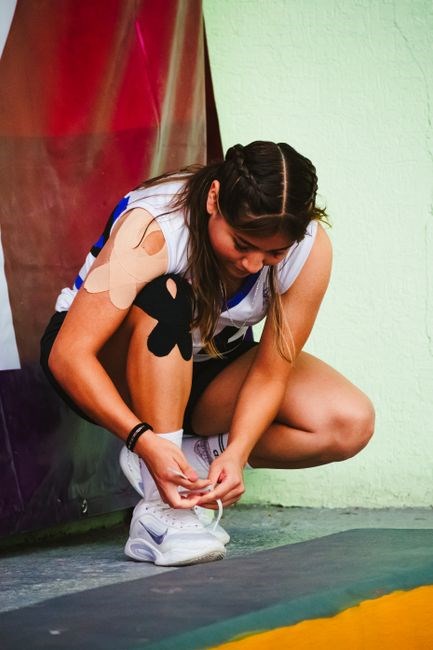
Practical Resources and PDF Guides
Download comprehensive Kinesio taping PDFs‚ including step‑by‑step instructions‚ anchor points‚ and patient education sheets. Video tutorials complement these guides‚ offering visual reinforcement and continuing education for clinicians. downloadablesheet