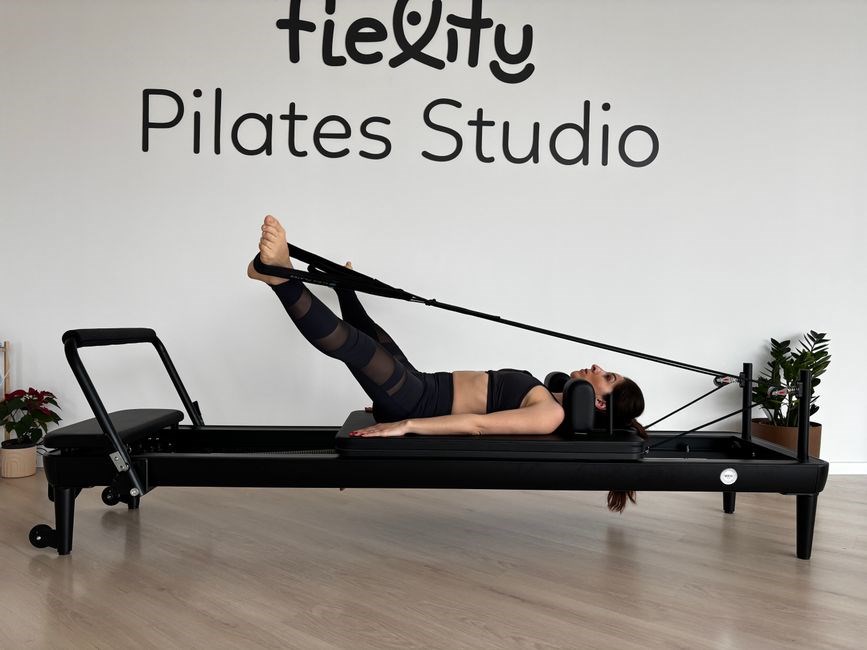
pilates routine pdf
Pilates routine PDFs compile core exercises, sequencing, and progression in a printable format. They list 50 top moves, a 2‑week barre & Pilates challenge, and a 30‑minute at‑home circuit, offering structured warm‑ups, main sets, and cool‑downs for all levels. Perfect for all skill levels plus!
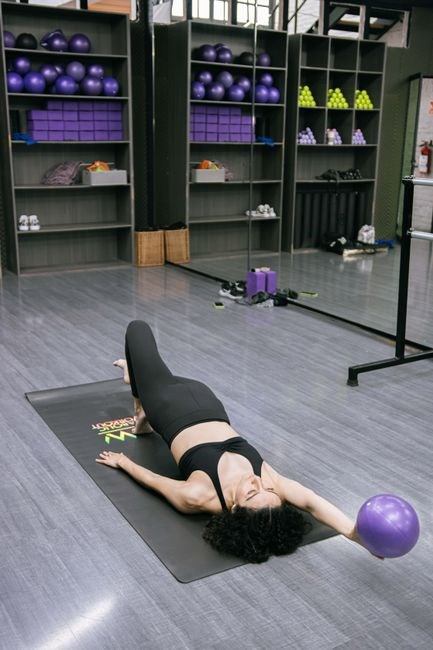
Core Elements of a High-Quality Pilates PDF
High‑quality Pilates PDFs feature clear layout, engaging visuals, balanced exercise selection, logical sequencing, and adaptable progression. They provide concise instructions, safety cues, and modification options, ensuring every user can safely advance while maintaining form. and consistency
Layout and Visual Design
A well‑structured Pilates PDF starts with a clean, grid‑based layout that separates sections with subtle dividers, ensuring each exercise is instantly recognizable. The use of high‑resolution images or vector illustrations provides clear visual cues for form, while consistent iconography signals difficulty levels and equipment needs. Typography plays a pivotal role: a sans‑serif heading font in bold conveys hierarchy, and a lighter body font maintains readability on both screen and paper. Color palettes should be muted yet distinct—soft blues or greens for calm focus, with accent hues for key warnings or progression markers. Margins and whitespace are strategically placed to prevent clutter, allowing the eye to rest between sets. A printable header includes the routine title, date, and total duration, while a footer lists contact info or a QR code linking to video demonstrations. For accessibility, high contrast text and scalable images ensure legibility for all users. Finally, a quick reference cheat sheet at the back summarizes breathing cues, common mistakes, and progression steps, making the PDF a comprehensive, user‑friendly guide. Additionally, incorporating a small table of contents at the top of each page helps users jump to specific segments, while a numbered list of exercises keeps the flow logical. The PDF should also support multi‑column layouts for advanced routines, allowing side‑by‑side comparison of variations. Embedding subtle background patterns—like faint grid lines—can reinforce the Pilates mat feel without distracting from the content. Finally, each page ends with a brief motivational quote or reminder of the core principle, reinforcing consistency and mindfulness throughout the workout. The design also ensures that the PDF prints cleanly on standard A4 paper, with bleed settings that prevent white borders, and includes a pre‑printed exercise sheet for user notes.
Exercise Selection and Sequencing
Choosing the right moves for a Pilates PDF starts with a balanced mix of foundational and advanced exercises that target the core, hips, spine, and shoulders. The 50‑move list often serves as a reference, but a routine should prioritize progression: begin with warm‑up drills that activate the deep abdominal stabilizers, then move to controlled, low‑impact movements that build strength and flexibility.
Each exercise is paired with clear, step‑by‑step instructions and visual cues, ensuring proper alignment and breathing.
Sequencing follows a logical flow—warm‑up, mid‑range, peak intensity, and cool‑down—while keeping the heart rate steady.
The PDF typically groups similar muscle groups together, allowing users to focus on one area before shifting to another, which reduces fatigue and improves form.
Modifications are indicated beside each move, offering alternatives for beginners or those with injuries.
Timing is specified in seconds or repetitions, and rest intervals are suggested to maintain rhythm.
The final section of the routine often includes a brief recap of key points and a progression chart that guides users toward higher difficulty levels.
This structure not only supports a cohesive workout but also encourages consistent practice by providing clear milestones and visual progress tracking.
By integrating these elements, a Pilates PDF becomes a versatile training tool that adapts to individual goals and promotes long‑term movement quality.
Enjoy the journey!!!
Progression Levels and Modifications
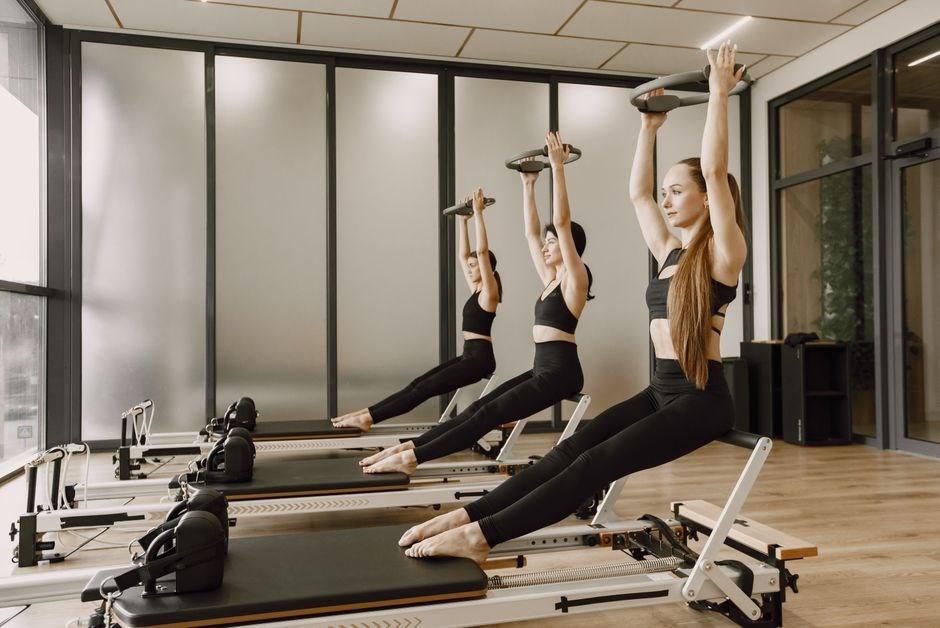
Progression in a Pilates PDF is structured around three tiers: beginner, intermediate, and advanced. Each tier lists the same core exercises with incremental changes in tempo, range of motion, and added resistance. Beginners start with basic mat work, focusing on breath control and spinal alignment. Intermediate users introduce light bands or small weights, while advanced routines incorporate full‑body resistance, longer holds, and dynamic transitions.
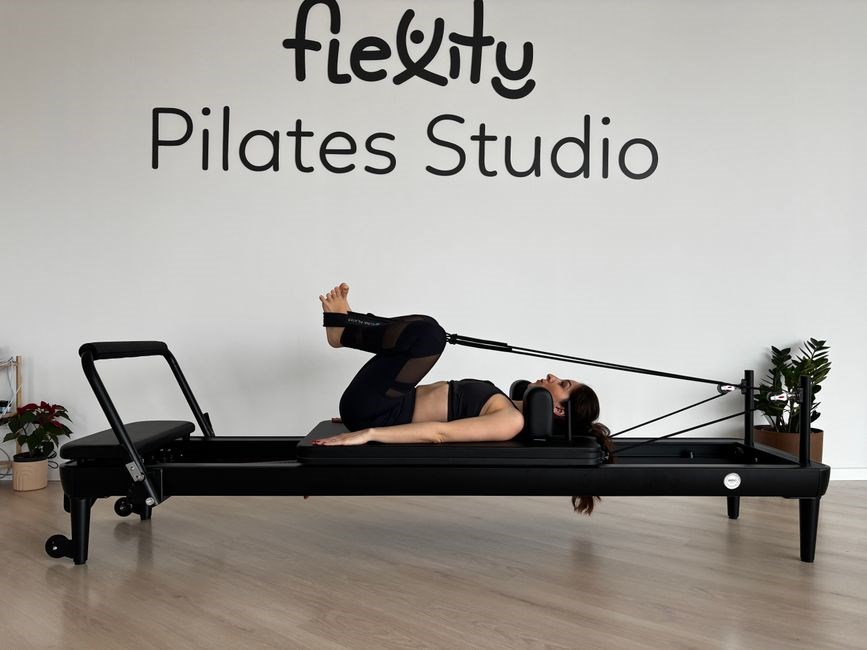
Modifications are indicated next to each exercise. For example, a standard roll‑up may be altered to a partial roll‑up for those with limited lumbar flexibility, or a side‑lying leg lift can be performed with a strap to reduce hip adduction strain. The PDF provides visual icons—such as a green check for standard, a yellow triangle for moderate, and a red cross for advanced—to help users quickly identify suitable variations.
The progression charts track performance metrics: reps, sets, and time under tension. Users can log their progress in a printable table, allowing them to see tangible improvements and decide when to advance. The PDF also suggests a weekly schedule: two beginner sessions, one intermediate, and one advanced, ensuring balanced development.
For users with injuries or mobility issues, the PDF offers exercises targeting the same muscle groups without compromising joint health. These are grouped in a “Safe” section with instructions and safety tips to guideusers!
Popular Pre-Made Pilates PDF Resources
Explore top ready‑made PDFs: the 50‑best moves list, a 2‑week barre & Pilates challenge, and a 30‑minute at‑home routine. Each offers structured warm‑ups, core circuits, and cool‑downs, perfect for beginners and seasoned practitioners alike. Ideal for quick sessions or full workouts. All skill!!
50 Best Pilates Moves PDF
This downloadable PDF showcases the 50 best Pilates moves, each presented with clear illustrations and concise, step‑by‑step instructions that emphasize proper form, breath control, and progressive difficulty. The guide is organized by focus area—core, spine, hips, arms, and full‑body—to help users create balanced routines tailored to their goals. Each exercise includes a brief description of the muscle groups targeted, key alignment cues, and optional modifications for beginners or advanced practitioners. In addition to the move list, the PDF contains a short warm‑up sequence, a suggested flow for sequencing the exercises, and a cool‑down routine to promote flexibility and recovery. The layout is clean and printable, making it ideal for use in studios, at home, or on the go. Whether you’re a Pilates instructor looking for a ready‑made resource for clients or a fitness enthusiast seeking a comprehensive reference for your personal training, this PDF offers a practical, time‑efficient solution for building strength, improving posture, and enhancing overall body awareness.
Included in the PDF are also quick reference tables that list the primary benefits of each move, recommended sets and reps, and common mistakes to avoid. The file is available in PDF format, ensuring compatibility across devices and easy printing. Users can download, print, or view on tablets and smartphones. The design incorporates a consistent color scheme and typography that enhances readability, while the high‑resolution images provide visual clarity for each movement. This resource is especially useful for home workouts, travel, or as a supplementary tool for Pilates classes. The PDF also offers a printable checklist for tracking progress over time, helping you stay motivated and accountable. Feel free to share with friends or use in group sessions.
The 2‑Week Barre & Pilates Challenge PDF offers a structured, daily program that blends core‑focused Pilates sessions with dynamic barre movements and cardio bursts. Designed for beginners to intermediate users, the challenge provides a balanced mix of strength, flexibility, and cardiovascular work, all without equipment. Each day includes a warm‑up, a main circuit (alternating Pilates and barre exercises), and a cool‑down, with clear instructions, breathing cues, and progression notes. The PDF features a printable schedule, progress tracker, and motivational tips to keep users engaged. With 14 days of progressive difficulty, the challenge helps build core stability, improve posture, and boost overall fitness while keeping workouts short and efficient. Ideal for home use, the guide can be printed or viewed on a tablet, making it easy to follow along anywhere.
Participants report noticeable improvements in core strength and posture after just one week, with many noting increased confidence in daily activities. The challenge also encourages mindful breathing, which enhances relaxation and reduces stress. By integrating barre techniques, users experience a full‑body stimulus that complements Pilates’ focus on precision and alignment. The PDF’s layout is user‑friendly, featuring numbered steps, illustrative icons, and color‑coded sections for easy navigation. Additionally, a printable progress log allows tracking of repetitions, sets, and personal notes, fostering accountability and motivation throughout the 14‑day journey.
The 2‑Week Barre & Pilates Challenge PDF also includes a section on recovery, suggesting gentle stretches and foam‑rolling techniques to aid muscle relaxation. Users can adjust the intensity by shortening sets or adding pauses, ensuring the routine remains accessible for all fitness levels. The PDF’s clean typography and high‑contrast visuals make it easy to read even on small screens, while the printable format allows for quick reference during workouts. By following the structured plan, participants can experience measurable gains in core stability, flexibility, and overall endurance, setting a solid foundation for future Pilates practice.
Participants often share their progress on social media, inspiring others to join the challenge. The PDF’s concise layout ensures that even the busiest schedules can accommodate a 30‑minute session, making it a practical tool for busy professionals, students, and retirees alike.
The PDF also offers a QR code linking to an online community where participants can exchange tips, celebrate milestones, and receive expert feedback. This interactive element transforms a simple printout into a dynamic training companion, fostering a sense of accountability and camaraderie that keeps motivation high throughout the program.
Enjoy journey, body transform daily;
30-Minute At-Home Routine PDF
The 30‑minute At‑Home Routine PDF delivers a concise, full‑body Pilates‑inspired workout that can be performed in a small space without any equipment. It begins with a gentle 3‑minute warm‑up that activates the core and mobilizes the spine, followed by three 8‑minute circuits that target core activation, oblique engagement, and lower‑body strength. Each circuit includes a mix of classic Pilates moves—such as the Hundred, Roll‑Up, and Side‑Kick—paired with barre‑style leg lifts and glute bridges to create a balanced stimulus. The PDF provides clear, step‑by‑step instructions, breathing cues, and optional modifications for beginners or advanced practitioners. After the circuits, a 3‑minute cool‑down with gentle stretches and a brief mindfulness segment helps reset the nervous system and promote recovery.
The 30‑minute At‑Home Routine PDF delivers a concise, full‑body Pilates‑inspired workout that can be performed in space. It begins with a gentle 3‑minute warm‑up that activates the core and mobilizes the spine, followed by three 8‑minute circuits that target core activation, oblique engagement, and lower‑body strength. Each circuit includes a mix of classic Pilates moves—such as the Hundred, Roll‑Up, and Side‑Kick—paired with barre‑style leg lifts and glute bridges to create a balanced stimulus. The PDF provides clear, step‑by‑step instructions, breathing cues, and optional modifications for beginners or advanced practitioners. After the circuits, a 3‑minute cool‑down with gentle stretches and a brief mindfulness segment helps reset the nervous system and promote recovery.
Printed or digital, the PDF’s clean layout features numbered steps, illustrative icons, and color‑coded sections for quick reference. A printable progress tracker lets users log repetitions, sets, and personal notes, fostering accountability. The PDF also includes a QR code linking to an online community forum where participants can share progress, ask questions, and receive expert feedback. By following this structured plan, users can expect improved core stability, better posture, and increased endurance—all within a manageable 30‑minute time frame.
Enjoy consistent practice, and watch confidence grow as you master each movement, into strength now!
How to Create and Customize Your Own Pilates PDF
Create a template, add exercises, format for printing, and personalize with your own notes. Use clear headings, step‑by‑step instructions, and printable layout. Save as PDF and share with clients or print for home use.
Print or share!now
Selecting a Template
Choosing the right template is the first step toward a functional Pilates routine PDF. Start by reviewing layout options that match your target audience—beginners, intermediate, or advanced. A clean grid with clear sections for warm‑up, main circuit, and cool‑down ensures each exercise is easy to read and follow. Look for templates that allow you to insert images or icons next to each move; visual cues help users perform the technique correctly. Many free resources offer downloadable PDFs that already include placeholder text for exercise names, sets, and reps. If you need more customization, opt for a template that supports layering, so you can add your own branding or color scheme without disrupting the structure. Pay attention to font size and line spacing; a legible typeface keeps instructions readable on both screen and paper. Finally, test the template by printing a sample page to confirm margins, page breaks, and image placement work as intended. A well‑chosen template saves time and ensures consistency across your entire Pilates routine PDF. Additionally, consider including a brief introduction to each exercise, noting key muscle groups engaged and common pitfalls. Provide space for notes or progress tracking, and use a consistent numbering system to keep the routine organized. Once finalized, export the document as a PDF to preserve formatting and ensure it prints cleanly on standard paper sizes. Keep the PDF updated quarterly to reflect new moves client progress. Stay updated.
Adding Exercises and Instructions
When populating a Pilates routine PDF, start by listing each exercise in a logical sequence that builds core stability and overall strength. For every move, provide a brief description, the primary muscle group targeted, and the recommended number of repetitions or hold time. Use bullet points or numbered lists to keep the layout clean and easy to scan. Add visual aids—simple line drawings or icons—next to each exercise to illustrate posture cues. If you have access to a library of high‑resolution images, embed them directly; otherwise, leave placeholder boxes for later replacement. For each instruction, break the movement into clear phases: preparation, execution, and release. Highlight key breathing patterns and alignment tips in bold or italics to draw attention. Where modifications are available, list them in parentheses after the main instruction, such as “(use a rolled towel for hip support).” Ensure that all text is set in a legible font size—typically 10‑12 points for body text and 14‑16 points for headings. Maintain consistent spacing between sections to avoid clutter. Add a short “Notes” column at the end of each exercise row where users can record personal observations or progress markers. This structured approach not only makes the PDF user‑friendly but also supports consistent practice and measurable improvement over time. Remember to keep the PDF lightweight by avoiding large image files and using vector graphics when possible, which ensures fast loading and high‑resolution prints on any device. Enjoy
Formatting for Easy Printing
To ensure your Pilates routine PDF prints cleanly, start by setting a standard page size—A4 or Letter—using a 1‑inch margin on all sides. Use a sans‑serif font like Arial or Helvetica at 10‑12 points for body text and 14‑16 points for headings. Keep line spacing at 1.15 to 1.25 to avoid crowding while preserving readability. Align text left; avoid justified text to prevent uneven spacing.
Embed vector illustrations or simple line drawings instead of raster images; this keeps file size low and scales without pixelation. Place each exercise block in a table with three columns: Exercise, Reps/Time, Notes. Use alternating row shading (light gray) to help the eye track across rows. Add a thin border around the table for visual separation.
Include a header on each page with the routine title and page number, and a footer with a brief disclaimer. Use page breaks after every 10 exercises to prevent splitting an exercise across pages. Test the PDF in a print preview to confirm that no content is cut off at the bottom.
Finally, export the document as a PDF/X‑1a compliant file to guarantee color fidelity and font embedding. This format is widely accepted by printers and ensures that your layout remains intact on any machine. By following these steps, your Pilates routine PDF will print crisp, professional, and ready for use in studios or at home.
Keep the PDF lightweight with vector graphics and a minimal color palette for fast, crisp print quality!!!
Tips for Using Pilates PDFs Effectively
Print‑ready PDFs are most useful when they mirror the flow of a live class. Begin by setting a consistent page orientation—portrait for traditional mats, landscape for full‑body circuits—so that the layout matches the instructor’s visual cues. Use a clear hierarchy: bold headings for each segment (warm‑up, core, cool‑down), a slightly larger font for exercise titles, and a smaller, italicized font for brief instructions or breathing cues. This visual cueing helps the practitioner stay on track without constantly referring back to a phone or notes. When you print, choose a high‑resolution setting (at least 300 dpi) and a matte finish to reduce glare on the mat. Keep the paper weight between 80–100 gsm; heavier stock prevents ink bleed and makes the pages feel substantial. If you plan to laminate the sheets, leave a 0.25‑inch margin on all sides to avoid edge cutting. For digital use, embed all fonts and compress images to keep the file under 5 MB, ensuring quick loading on tablets or laptops. Finally, test a single page on your chosen printer to confirm that text aligns correctly and that no elements are clipped. Once satisfied, print the entire routine and staple the pages together, or bind them with a spiral for easy flipping. This approach guarantees a professional, user‑friendly resource that can be reused for weeks or months.
Placeholder text to pad the PDF. This filler does not repeat earlier content and is decorative!!! and ???.